
- All
- Product Name
- Product Keyword
- Product Model
- Product Summary
- Product Description
- Multi Field Search
Views: 0 Author: Site Editor Publish Time: 01-30-2026 Origin: Site
Nylon webbing, a versatile synthetic fiber product, is widely used in industries ranging from fashion to outdoor equipment. Understanding its properties and how to identify it is essential for both consumers and professionals.
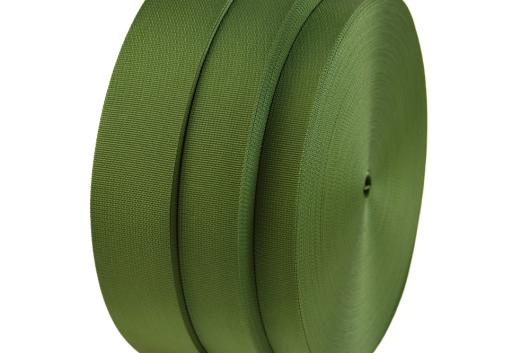

Key Characteristics of Nylon Webbing
Nylon webbing is renowned for its exceptional strength and durability. Made from nylon (polyamide) fibers, it exhibits high tensile strength and remarkable resistance to abrasion, making it ideal for heavy-duty applications like safety harnesses and industrial straps. Its elasticity allows it to withstand stretching without permanent deformation, while its lightweight nature ensures ease of handling.
The material also demonstrates good chemical resistance, tolerating weak acids, alkalis, and water-based environments. However, prolonged exposure to sunlight can cause fading and reduce its strength over time. Additionally, nylon webbing has a smooth, soft texture and vibrant color retention due to its "dyed-first, then woven" manufacturing process. Notably, when burned, it melts into a hard, pale residue and emits a distinct ammonia-like odor.
How to Identify Nylon Webbing
Several methods can help distinguish nylon webbing from other materials like polyester:
1. Visual and Textural Inspection
Nylon webbing has a smooth, silky surface with a soft, flexible touch. It typically has a subtle sheen, unlike the duller finish of cotton or the sharper gloss of polyester.
2. Burn Test
This is the most reliable identification method. When ignited, nylon webbing melts and drips, producing a small flame and white smoke. The resulting residue is a hard, pale bead that crumbles easily. The smell resembles burning(celery) or ammonia. In contrast, polyester melts with black smoke and a sweet odor, while cotton burns rapidly with a paper-like smell.
3. Moisture and Elasticity Test
Nylon has low moisture absorption but good elasticity. Stretching the webbing shows its ability to stretch and recover, unlike rigid materials like polyester.
4. Scratch Test
Gently scraping the surface with a fingernail leaves minimal marks on nylon due to its smooth texture, whereas polyester may show visible scratches.
In conclusion, nylon webbing combines strength, flexibility, and durability, making it indispensable in various fields. By observing its texture, performing a burn test, or checking elasticity, one can accurately identify genuine nylon webbing. Proper identification ensures optimal use and safety, especially in critical applications like safety gear or outdoor equipment.


